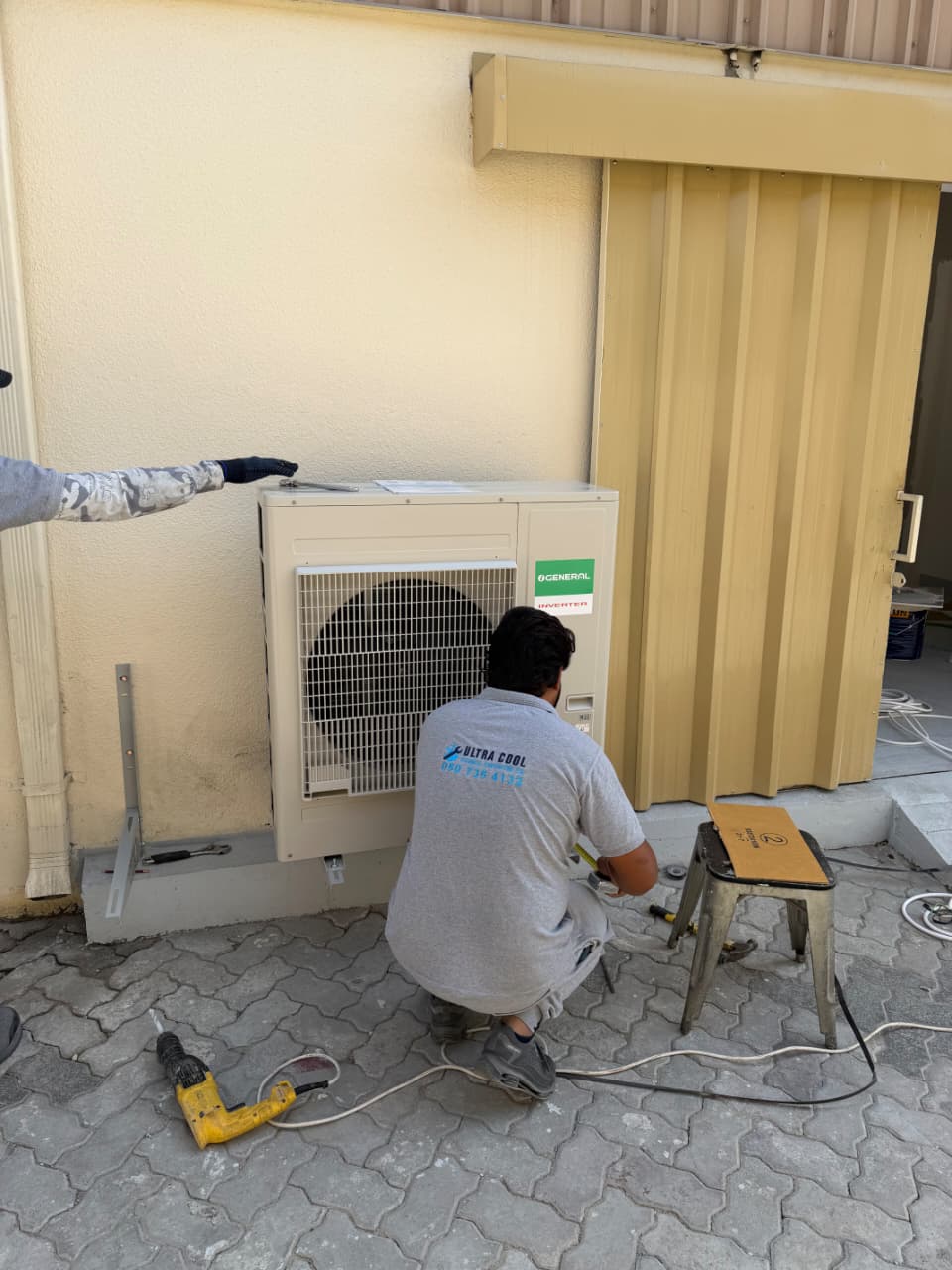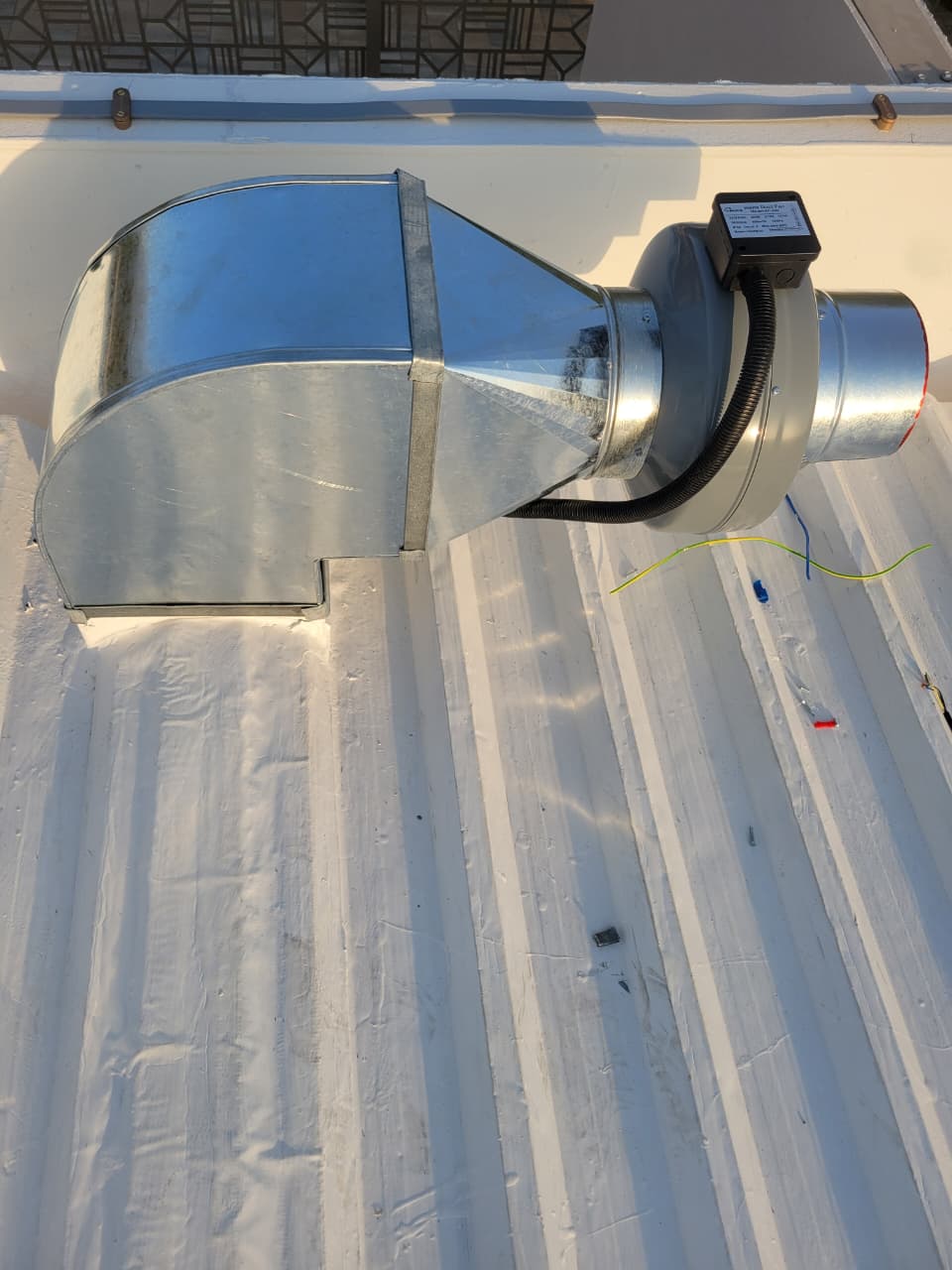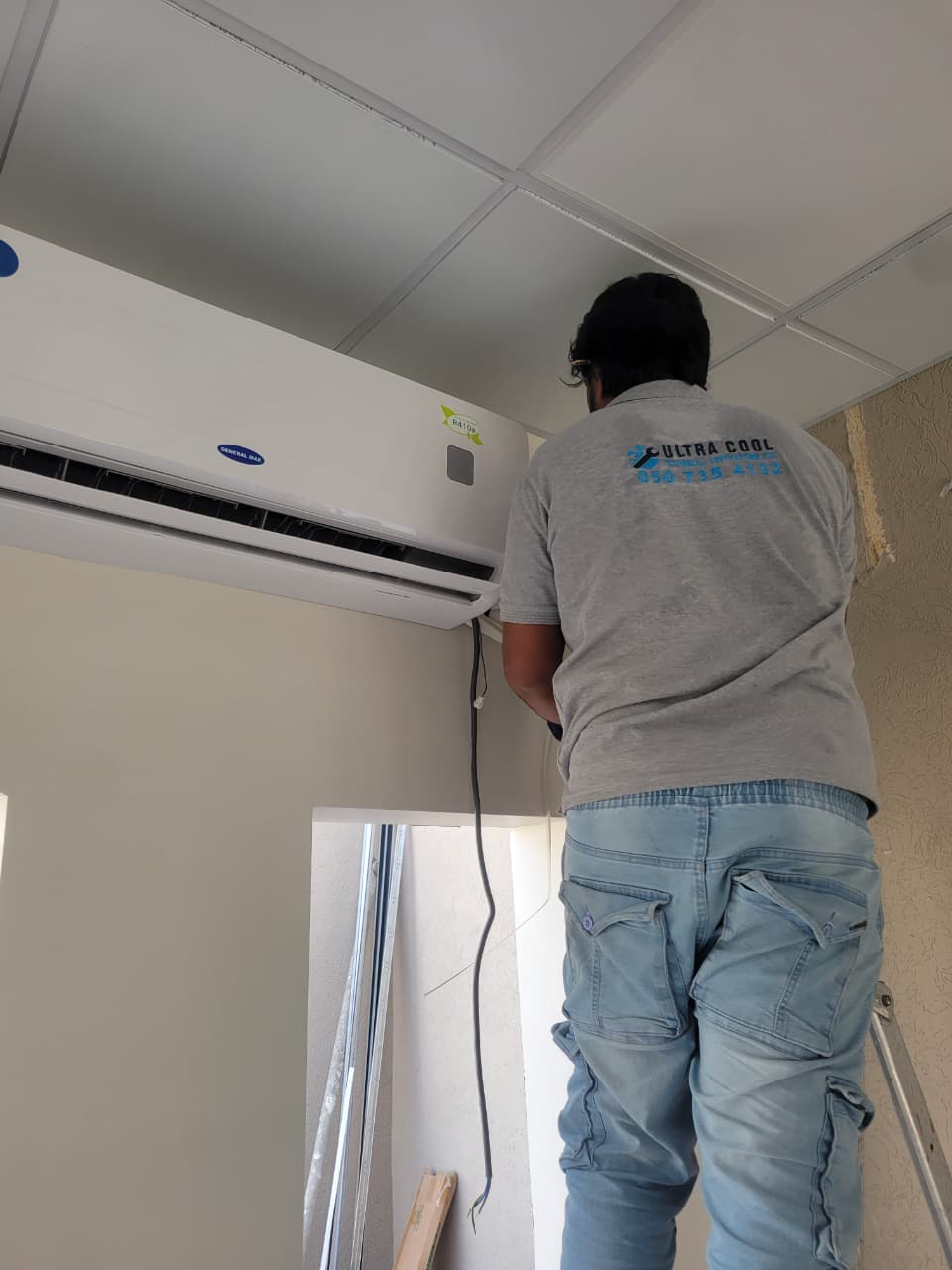
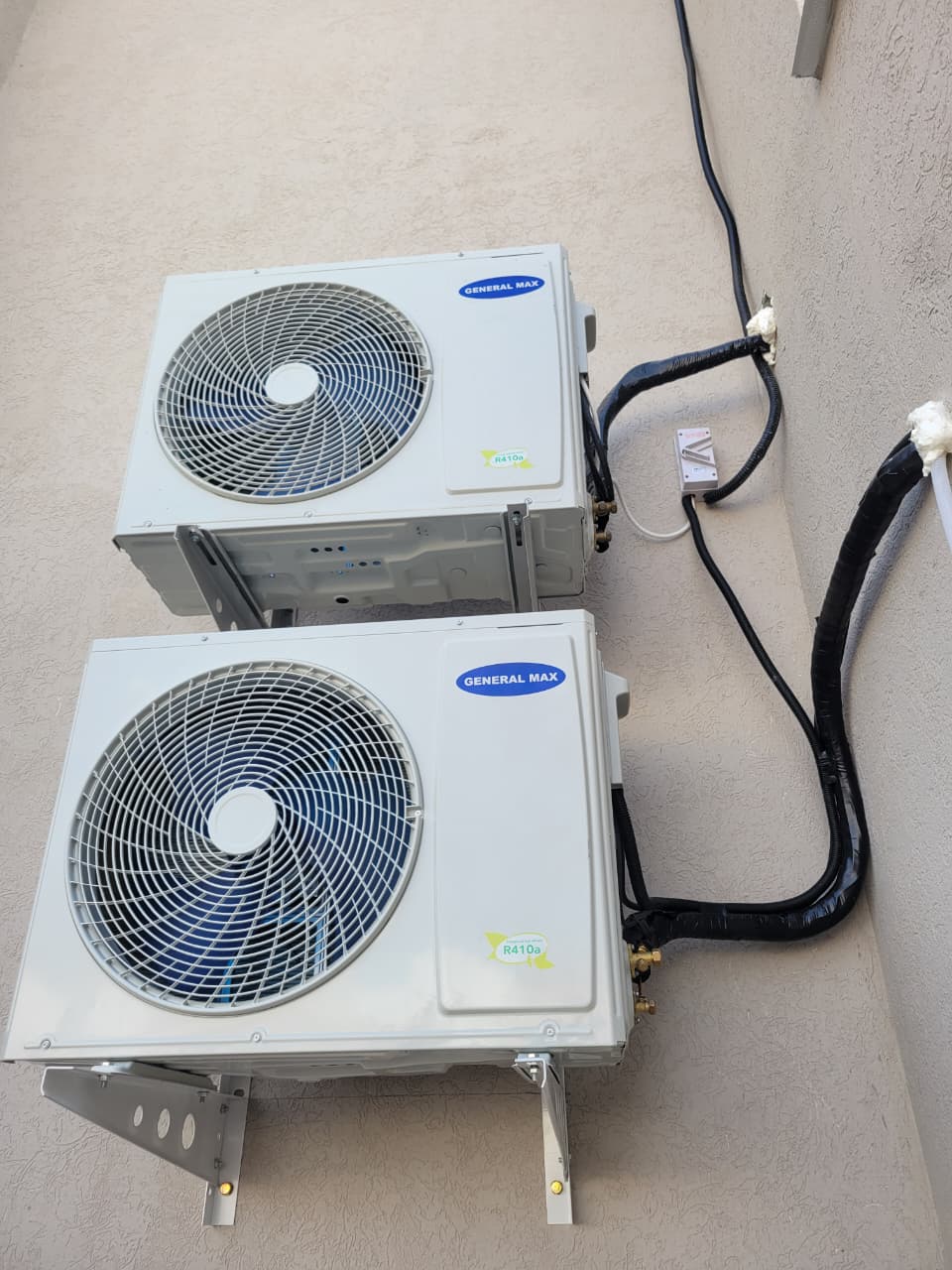
Repair can make sense when there is a defined fault in an otherwise suitable system. Replacement deserves consideration when faults recur, important parts are difficult to obtain or the equipment no longer meets the cooling needs of the rooms it serves. Compare both options after diagnosis, including the complete installation work.
A breakdown does not automatically mean that an AC has reached the end of its useful life. Equally, approving one repair after another is not always the right answer. The decision becomes clearer when the discussion considers the whole system, not just one failed component.
For a Dubai apartment or villa, think about what you want to solve: an isolated failure, repeated disruption, an uncomfortable room or a system that no longer suits a changed layout. Those are different problems. Replacing the equipment without understanding the original complaint can leave part of the problem untouched.
1. Get a diagnosis before making the bigger decision
Ask the technician to distinguish the immediate fault from the overall condition. Which component has failed? What else has been inspected? Can the proposed repair be tested properly once complete? A photograph of a dirty component or the age on a label is not, on its own, a full replacement assessment.
Discuss condition, repair history, energy use and parts availability during the inspection. Treat these as questions rather than a formula. A generic age threshold cannot account for the installation, building constraints and actual condition of every Dubai system.
2. Bring the repair history into the conversation
Collect previous invoices, dates and recurring symptoms. Three visits for the same unresolved complaint tell a different story from three unrelated minor jobs spread across several years. If the records are incomplete, explain what you remember and distinguish approximate dates from confirmed records.
Useful notes include whether the unit ever cooled the room comfortably, whether performance changed after a renovation and how long an earlier repair lasted. Ask whether a replacement part is available for the exact model and what delivery schedule the supplier has confirmed. Do not treat a general statement about a brand as confirmation that your specific part can be supplied.
3. Check that replacement would address the comfort problem
A warmer upstairs room, a changed partition or a sun-exposed living area deserves its own assessment. Ask the installer to explain the proposed capacity and distribution, not simply match the size written on the old unit. Tell them which rooms are occupied together and when discomfort is most noticeable.
Ask for the cooling requirement to be assessed using the room layout, sun exposure, glazing and intended use. Explain any humidity complaint as well as temperature concerns. Choosing a larger AC is not a substitute for checking what the space actually requires.
4. Compare complete projects, not a unit against a repair
For the repair option, request the proposed work, parts, testing and any remaining concerns. For replacement, ask what has been inspected and which installation tasks are needed. Choosing equipment alone can leave several necessary site tasks undecided.
Clarify the replacement scope
- Proposed model, capacity and suitability for the site
- Removal of old equipment and handling of the existing refrigerant
- Compatibility or replacement of pipework, controls and electrical connections
- Drainage, supports, insulation and any duct adaptations
- Access, building approvals and protection of finished surfaces
- Testing, commissioning, handover and written warranty terms
5. Account for access, timing and energy use
Ask how long the affected rooms will be without cooling and which arrangements depend on parts or building approval. A family using every bedroom has different scheduling needs from an empty home undergoing refurbishment. Do not book finishing work around an installation date until the equipment and access are confirmed.
If reduced electricity use is part of the proposal, request the assumptions behind the projection. Consumption also reflects occupancy, weather, operating hours and other appliances, so lower electricity use cannot be promised from the model name alone. Compare equipment information on a consistent basis and distinguish projected performance from measured results.
6. Choose with a short written comparison
Put the two options on one page: confirmed work, expected timing, known uncertainties and the comfort issue each option should address. Mark anything still awaiting inspection or supplier confirmation. This makes a discussion with a landlord, building manager or another household member easier to follow.
Ultra Cool Technical Contracting FZE can review AC repair and installation enquiries in Dubai. Share the existing system details, repair history and the rooms affected so the next assessment can focus on the right questions. If the home is served by a building-managed cooling system, confirm the equipment ownership and maintenance boundary before authorising a replacement project.
The right choice is the one supported by diagnosis and a complete scope. Compare repairability, suitability for the rooms being cooled and installation requirements without assuming that newer or larger automatically solves the problem.
Explore AC Installation in Dubai
Related services and guides
Send Ultra Cool Technical Contracting FZE the existing system details and the rooms affected. Ask about an inspection before committing to repair or replacement in Dubai.
Frequently asked questions
Age is a useful consideration, not a complete diagnosis. Review condition, repair history, available parts and whether the system still suits the space before deciding.
Only if capacity is the actual problem and the proposed size is appropriate. The assessment should also consider airflow, layout, heat entering the room and distribution.
Sometimes, but compatibility and condition must be checked for the proposed equipment. The work plan should state what will be retained, inspected or replaced.