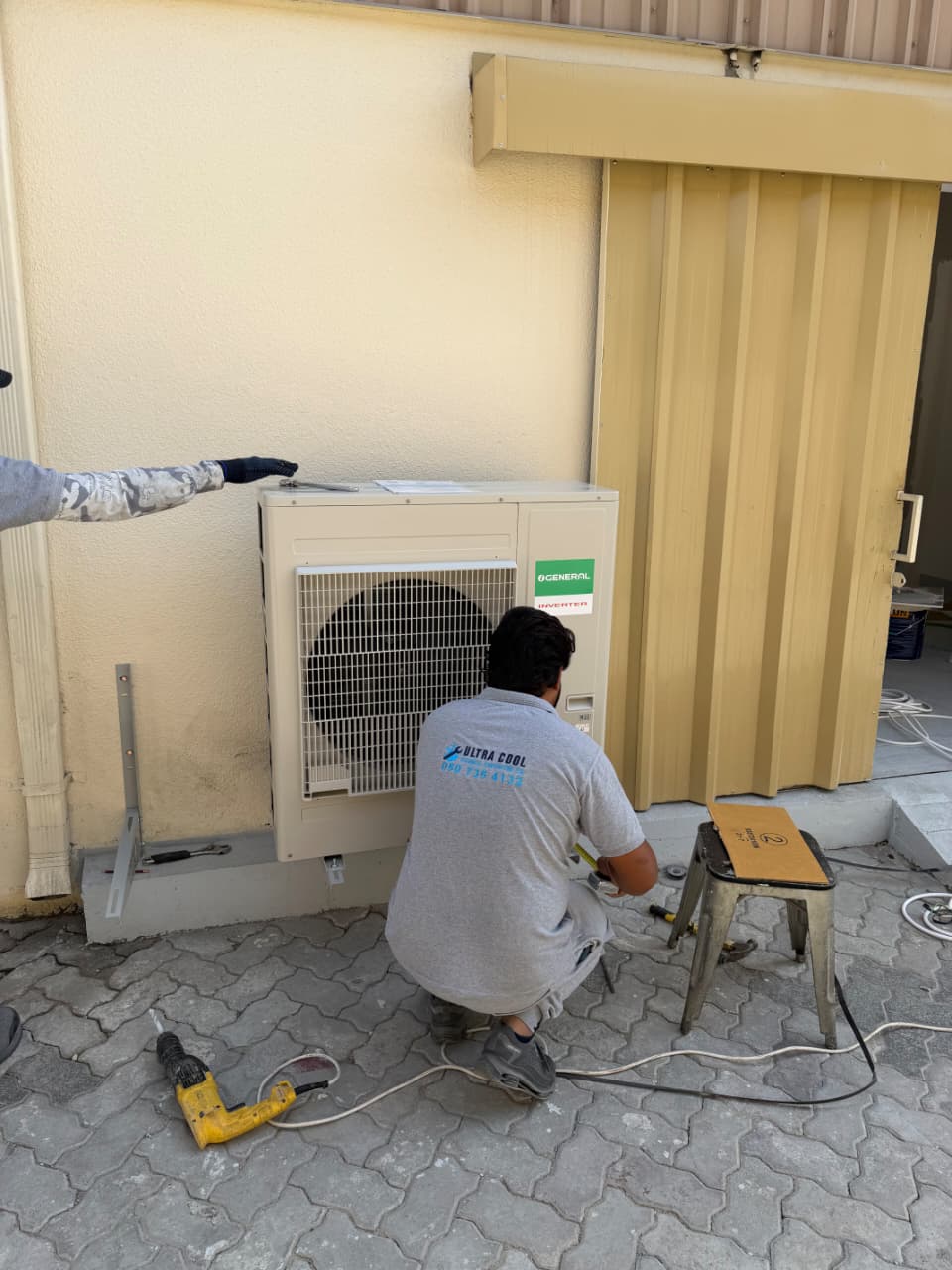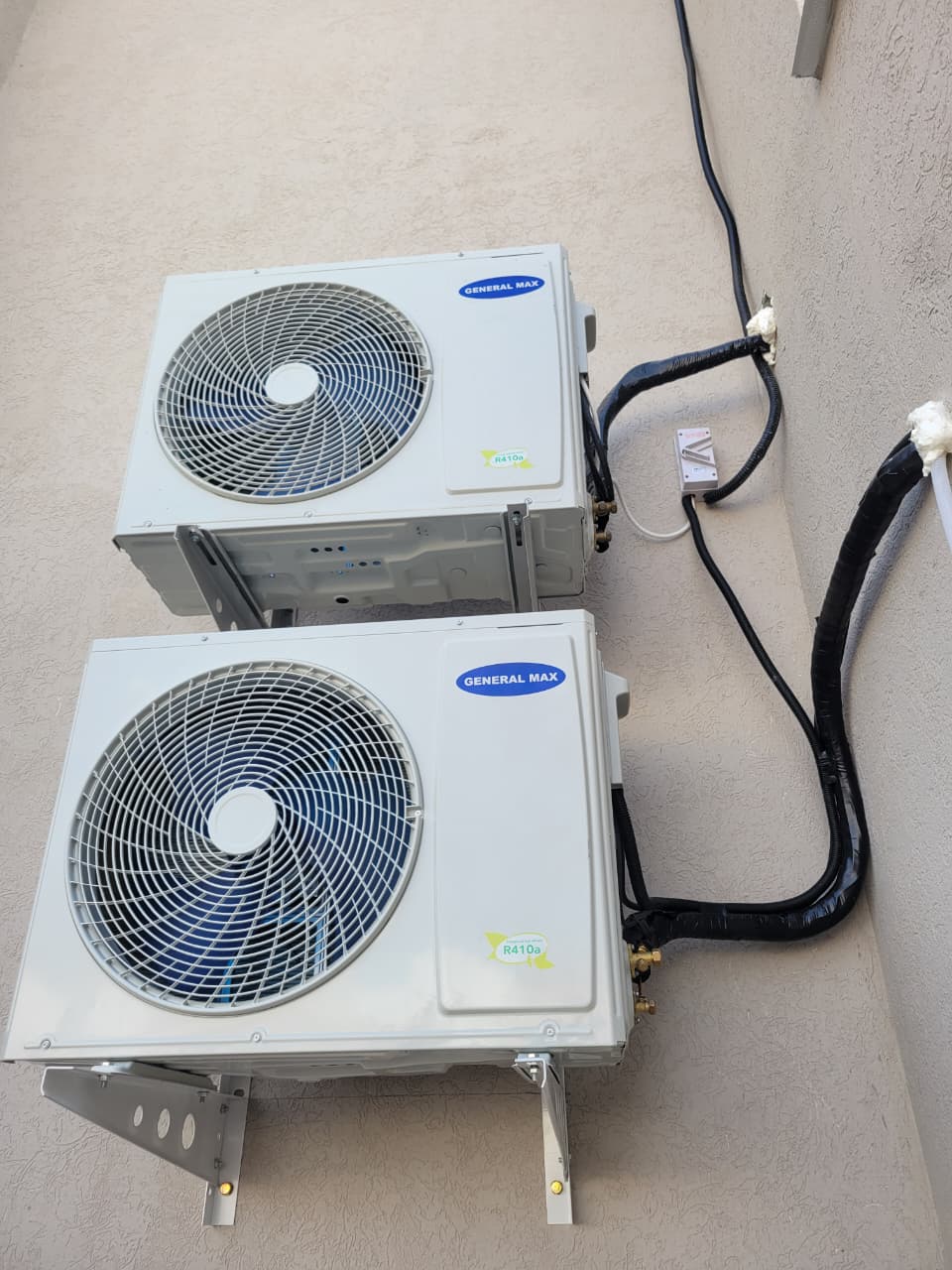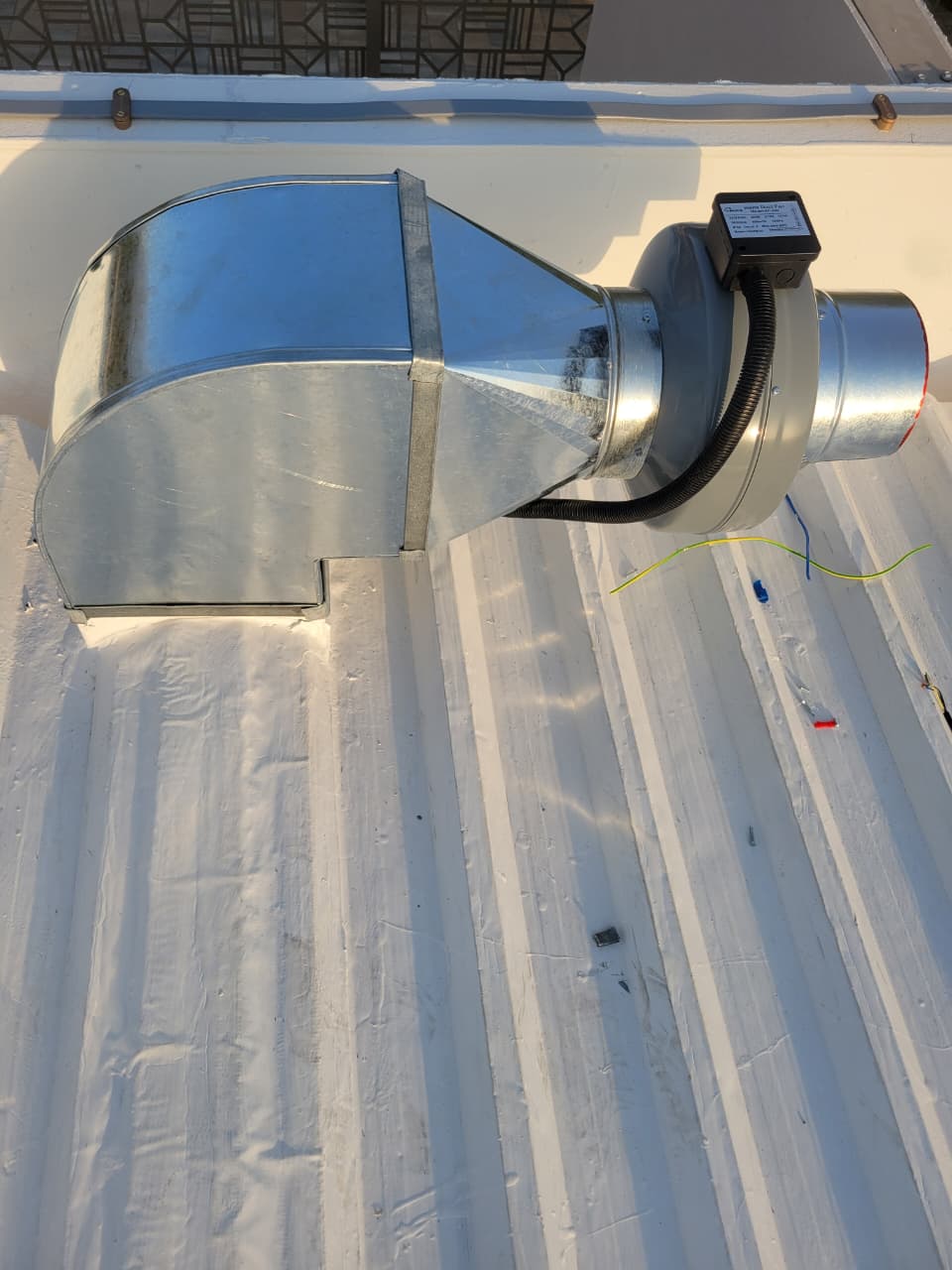
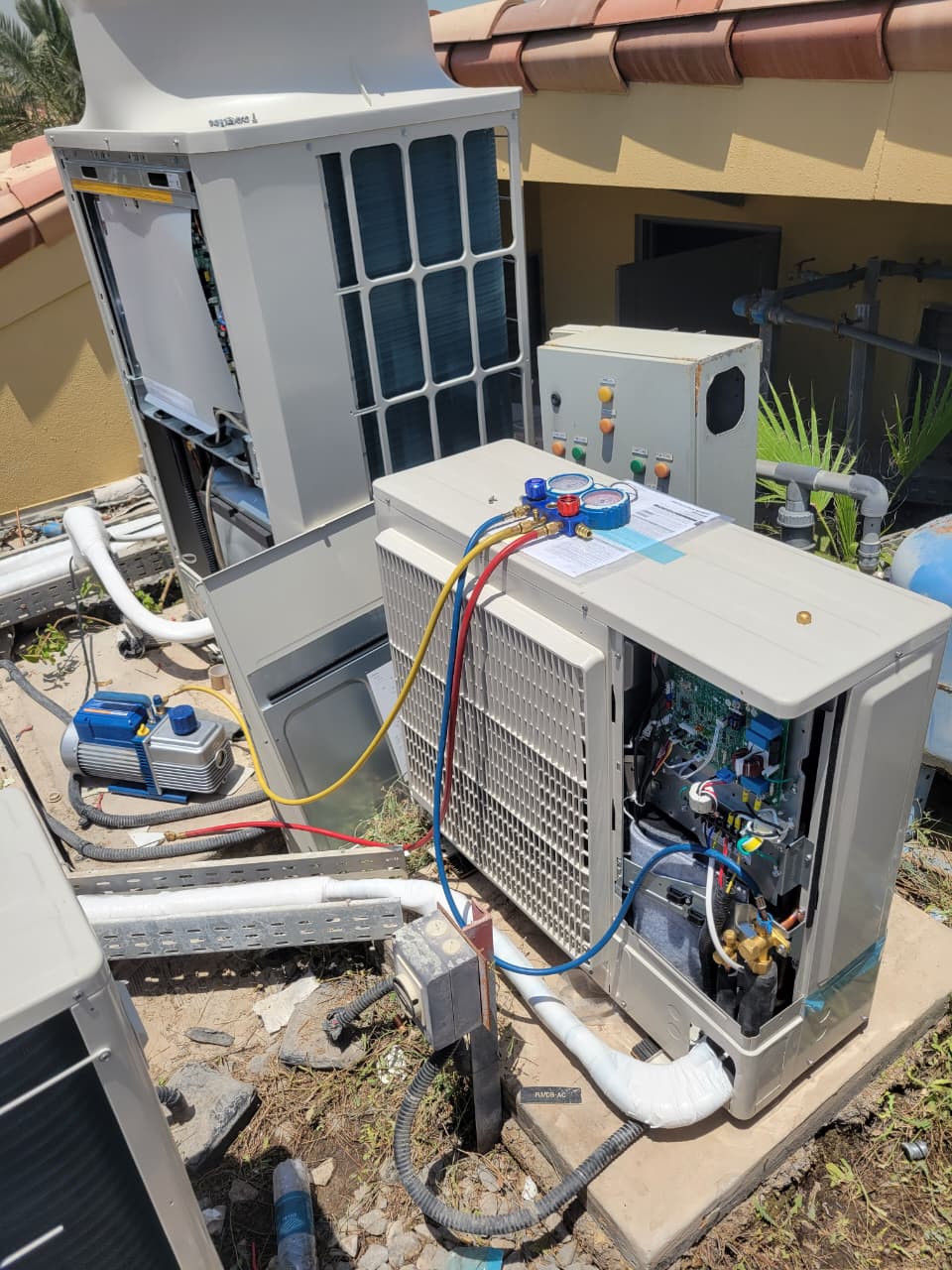
Start with electricity consumption records and changes in occupancy, AC operating hours and room conditions. Whole-home readings cannot identify one faulty appliance. Weak cooling, unusual running patterns or repeated faults give a technician more useful evidence than consumption alone.
Higher AC electricity consumption in Dubai is a reason to investigate, not a diagnosis. Longer cooling hours, a change in occupancy or different room use may help explain the change. An equipment fault is another possibility, but it needs evidence.
Start with a short record of what changed and when. This makes it easier to decide whether you need an AC maintenance visit, a fault inspection or clarification from your building maintenance team.
Compare electricity use over comparable periods
Check the consumption information available in your DEWA account. Compare periods of similar length and note holidays, visitors, changes in working hours and additional appliances. A total-home reading includes more than the air conditioner.
DEWA Smart Living provides consumption monitoring and tools to help customers understand their usage patterns. Use that information as background for an inspection, not as proof that a particular AC component has failed. See DEWA Smart Living.
For a building-connected cooling system, ask management which equipment serves your apartment and which parts are under its control. That distinction helps you send the concern to the right team.
Record the cooling symptoms alongside the readings
A useful message describes what the room does, not just that electricity use is higher. Note whether the room reaches its usual setting, whether one area is affected and whether the change started after servicing, replacement or renovation.
- Identify the room and affected AC unit.
- Record normal operating hours and any recent changes.
- Note whether the airflow feels different from usual.
- Record visible error codes, unusual noise or water leakage.
- Keep the date and findings of the last service or repair.
Take photographs only from a safe, accessible position. Do not remove covers or climb to reach equipment labels.
Check ordinary operating conditions
Confirm that doors and windows are closed while cooling is running and that furniture is not obstructing accessible air grilles. Review the operating settings against the equipment instructions. Our guide to AC operating settings in Dubai explains the difference between a thermostat setting and a diagnosis.
DEWA identifies air conditioning as a major household electricity user and recommends regular filter care and sensible operating practices. This supports routine attention; it does not establish that a dirty filter is the cause of every increase. See DEWA electricity-management guidance.
Do not open electrical compartments, adjust refrigerant connections or dismantle a concealed unit. A qualified technician should handle technical investigation.
Separate maintenance needs from a specific fault
Routine servicing and fault diagnosis answer different questions. A maintenance visit concerns component condition and planned care. A repair assessment investigates a reported problem and the work needed to correct it.
Ask the technician to connect each recommendation to a finding. If several actions are proposed, distinguish necessary repair from routine maintenance and optional improvements. Keep the findings so you can compare operation afterwards.
Review the result without expecting a guaranteed saving
After the work, record whether the original cooling complaint has changed. Continue comparing electricity use while allowing for weather, occupancy and operating hours.
A lower reading alone does not prove that one repair caused the difference, just as an unchanged reading does not identify the remaining cause. Clear observations and service records are more useful than a promised percentage reduction.
Share your Dubai location, AC type, recent consumption pattern and cooling symptoms with Ultra Cool Technical Contracting FZE. Discuss an AC maintenance visit or request an AC fault inspection.
Investigate changes in consumption alongside actual cooling symptoms. Use records to guide the inspection and judge the result; do not authorise a component replacement based on electricity use alone.
Frequently asked questions
No. Consumption alone does not establish equipment condition. Start with changes in use and the inspection findings before considering replacement.
Whole-home consumption information does not isolate a specific unit. It provides context that can be combined with operating observations and a technical assessment.
Choose fault diagnosis when there is a specific concern such as weak cooling, repeated shutdowns or leakage. Discuss routine maintenance separately if the equipment is operating normally.
No. Usage depends on several factors, including operating hours and room conditions. Ask what issue the work addresses and which checks will verify the result.