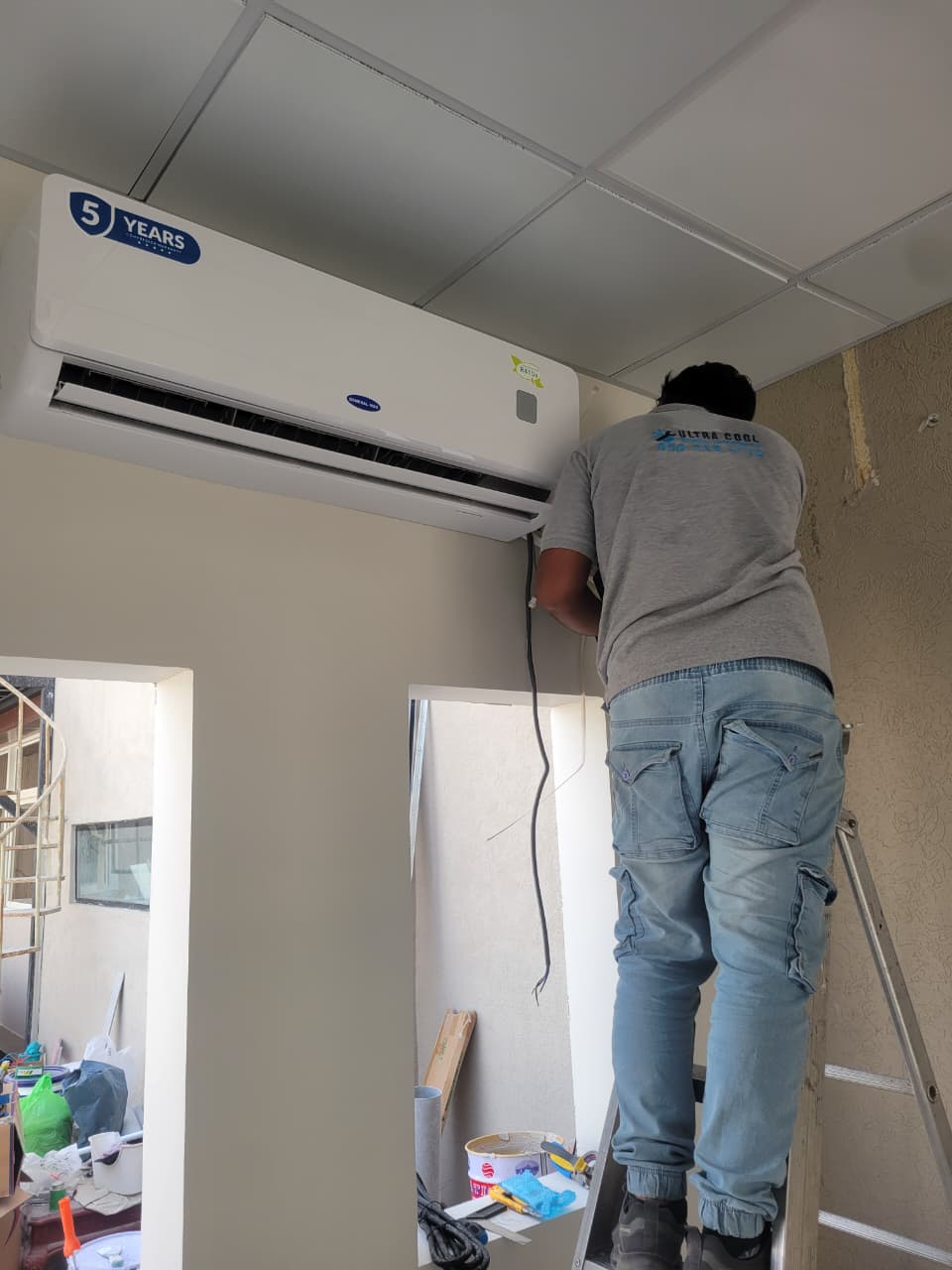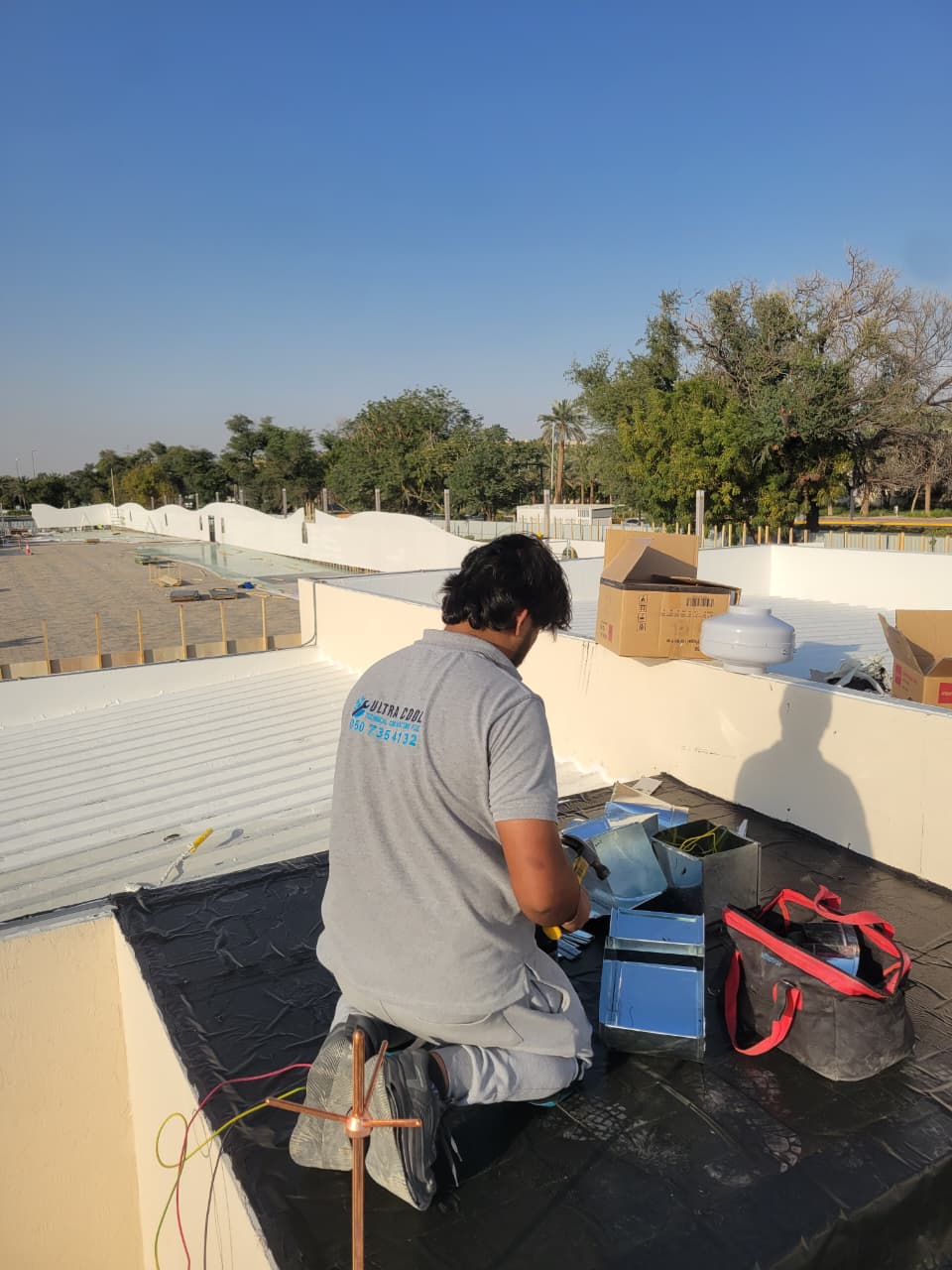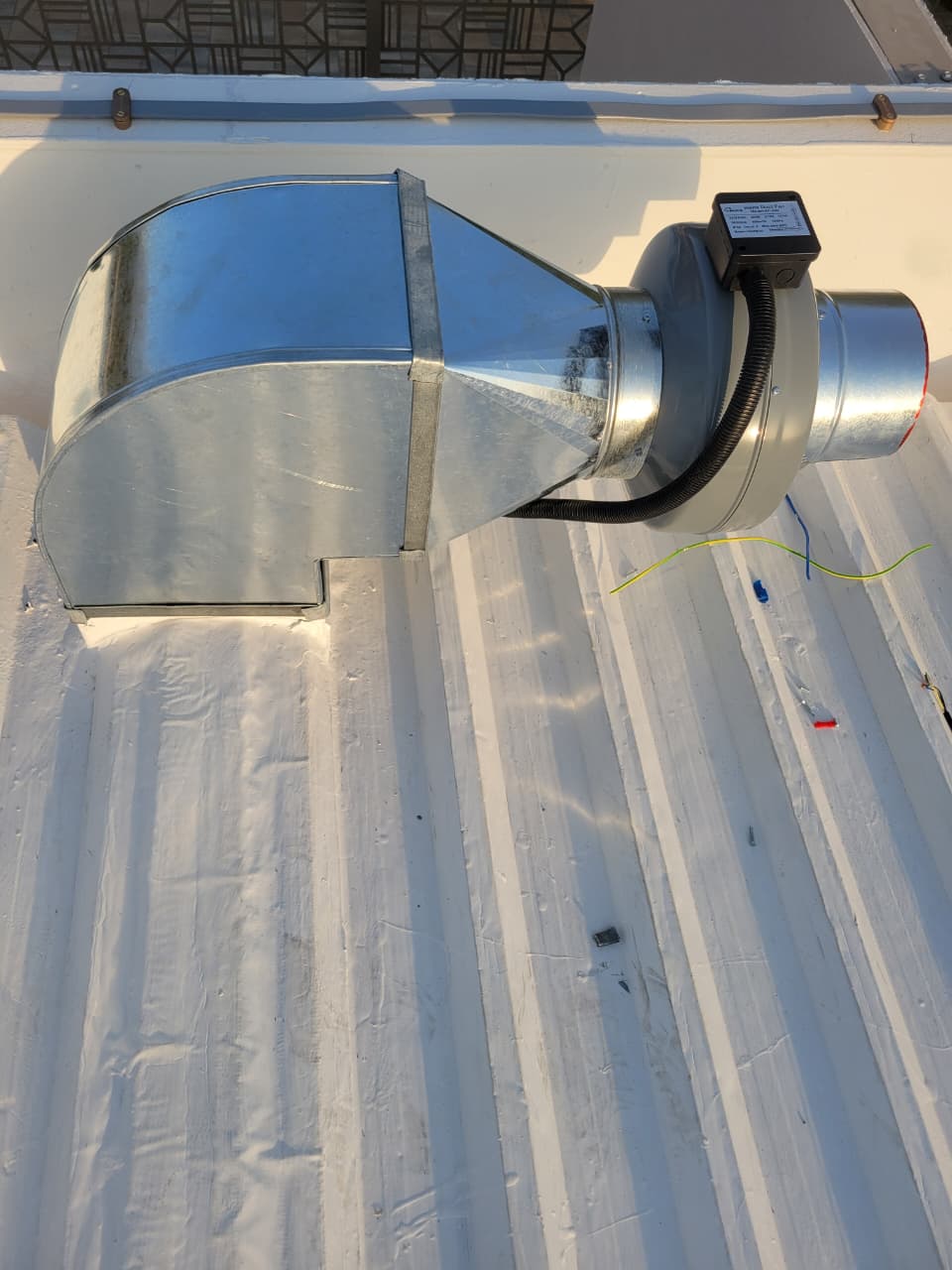
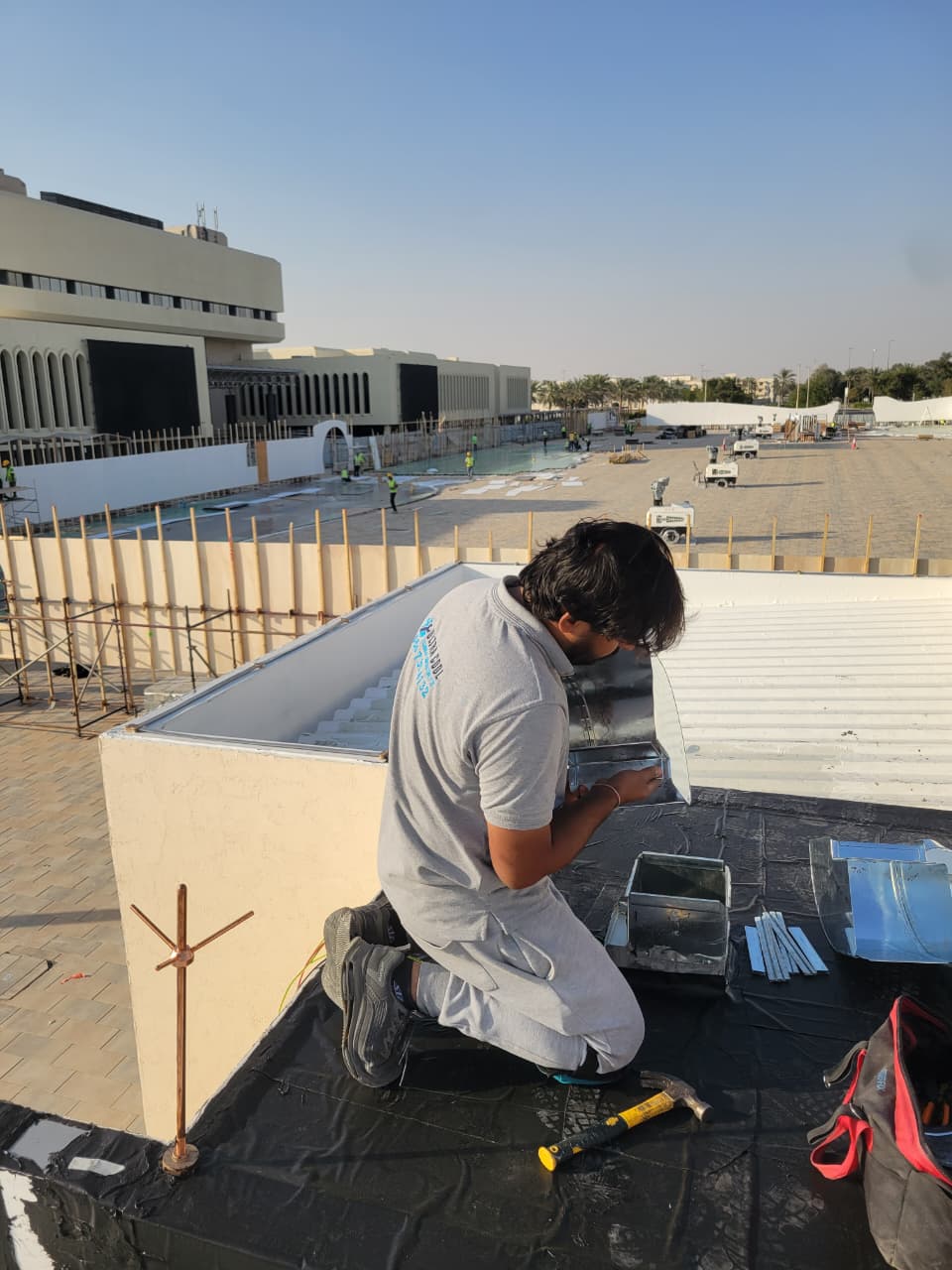
Winter AC maintenance in Dubai is an opportunity to review how the system performed through summer and address unresolved issues. Focus on the actual condition, including filters, drainage, controls and access. Cooler weather may reduce cooling demand, but it does not automatically remove the need for care.
As Dubai moves through October towards the cooler part of the year, the question changes from keeping every room comfortable in peak heat to deciding what needs attention next. A room that only struggled in the afternoon may feel fine now. That does not explain why it struggled earlier.
A post-summer review gives you a chance to organise those observations while they are still fresh. You do not need an elaborate seasonal package simply because the calendar changed. Start with the system history, the current condition and how the rooms will be used over the coming months.
1. Write down the problems that summer exposed
List rooms that took unusually long to cool, recurring water marks, unfamiliar noises and occasions when someone changed the settings to compensate for discomfort. Include approximate dates and whether an earlier visit resolved the complaint. Photographs and old invoices can be more useful than trying to recreate every detail during an appointment.
Separate problems that remain present from those that occurred only under heavier demand. Explain both to the technician, but recognise that some operating issues may need assessment when the relevant conditions return. A quiet unit on a mild morning does not, by itself, establish how it will perform during the next demanding period.
2. Agree a focused cleaning and drainage scope
Ask what can be inspected and cleaned for your system type, including accessible filters, indoor components and the condensate route where relevant. Request a clear distinction between routine care and any separate repair. If a concealed unit cannot be reached properly, discuss the access limitation before the visit rather than discovering it afterwards.
DEWA highlights regular AC filter care because dirt restricts airflow. That supports a filter check, not an assumption that every duct or component needs extensive treatment. Ask the technician to explain any additional cleaning recommendation using the observed condition.
Reference: DEWA: AC filters and cooling efficiency
3. Review settings as room use changes
Check whether schedules still match the household. A guest bedroom, home office or shop with changed hours may no longer need the same operating pattern as it did earlier in the year. Review user controls with the technician or building team if the system is unfamiliar; do not change shared controls or disable equipment protections.
DEWA recommends making use of pleasant winter weather for ventilation and cooling. Apply that advice to actual outdoor conditions and the building guidance, rather than assuming that every October day is suitable for open windows. If the indoor space feels damp or a room has a persistent moisture issue, investigate that concern before treating reduced AC operation as the solution.
4. Plan access while the work is easier to organise
Choose an appointment around the rooms in use and the work hours permitted by the building or community. Tell the contractor about fitted joinery beneath access panels, valuable items near the work area and any restrictions on roof or service-room access. Move belongings only where you can do so safely.
If you are planning decoration or renovation, discuss AC access before surfaces are closed again. A neat finish is useful only if future service points remain usable. Confirm who will protect the room, who will reinstate any opened area and whether those tasks are included. Do not assume that a routine maintenance visit includes building alterations.
5. Make a separate plan for an unoccupied home
If the home will be empty for an extended period, ask the building manager what arrangements apply to its cooling and ventilation system. Avoid choosing a universal switch-off rule or a thermostat setting from an unrelated home. Equipment, moisture conditions and building-management guidance can differ.
Agree who can check the home, how a problem will be reported and who can approve a visit while you are away. Keep the service contact and recent findings accessible to that person. An unoccupied-home plan should cover access and communication as well as controls; a message about a leak is not useful if nobody can enter to investigate it.
6. Finish with a short record and the next review date
After the visit, keep a record of completed work and anything still awaiting approval or suitable testing conditions. Ask which observations should prompt an earlier call instead of waiting for the next planned appointment. The next review should reflect equipment condition and use, not just a copied seasonal calendar.
Your post-summer handover checklist
- Each serviced unit and the work completed on it
- Unresolved summer complaints and any follow-up needed
- Observed drainage, airflow or access concerns
- Agreed user settings or operating guidance
- Recommended repairs and their approval status
- A sensible date to reassess condition before heavier use
Use the quieter cooling period to resolve unanswered questions from summer. A condition-led visit, clear record and practical access plan are more useful than servicing by season name alone.
Explore AC Maintenance in Dubai
Related services and guides
Send Ultra Cool Technical Contracting FZE your Dubai location and a short record of unresolved summer symptoms. Discuss a maintenance visit around the rooms in use and the building access rules.
Frequently asked questions
It may, depending on use, condition and service history. Cooler weather is a useful opportunity to review unresolved issues, but it does not mean every system needs an identical winter package.
Follow the equipment and building-management guidance and consider actual room conditions. Do not apply a blanket switch-off rule to an unfamiliar system or a home with moisture concerns.
Record and report it while the details are clear. Some checks can be completed now, while other performance questions may need a follow-up under the conditions that caused the symptom.