AC running but not cooling can involve airflow, controls, the outdoor unit or a refrigeration fault. Check normal thermostat settings and note which rooms are affected. These observations cannot confirm the cause. If there is smoke, a burning smell, repeated breaker tripping or water near electrics, keep clear and arrange qualified help instead of continuing to test it.
When an air conditioner is running but the room stays warm, the first assumption is often that it needs more gas. In practice, poor cooling can begin with several different parts of the system. Guessing at one cause can delay the correct repair and leave the original fault unresolved.
Dubai conditions make a structured diagnosis especially important. Long operating hours, airborne dust, high outdoor temperatures and building-specific systems can expose different weaknesses. The pattern of the problem—whether it affects one room, one unit or all cooled rooms—is valuable evidence.
Start with safe observations, not a repair attempt
If there are no warning signs, check the normal cooling setting and look for furniture or curtains obstructing accessible vents. Note whether the airflow is weak, the air feels warm, or only one room is affected. Do not open panels, adjust wiring, reset a breaker repeatedly or add refrigerant.
A filter is a user check only when the equipment instructions allow safe access without climbing or exposing internal parts. Otherwise leave it for the technician. In an apartment, ask building management whether other units have reported the same cooling change and whether shared equipment is involved.
1. A loaded or blocked air filter
A filter that is packed with dust restricts the volume of air moving across the indoor coil. The AC may sound normal, yet airflow at the vent feels weak and the room takes much longer to cool.
DEWA identifies dirty AC filters as a cause of restricted airflow and reduced efficiency. That makes filter condition worth checking, but a dirty filter alone does not prove it is the only fault. Follow the equipment instructions for filters designed for safe user access; concealed components need a technician.
Reference: DEWA: how dirty AC filters affect airflow
2. Incorrect thermostat settings or a control issue
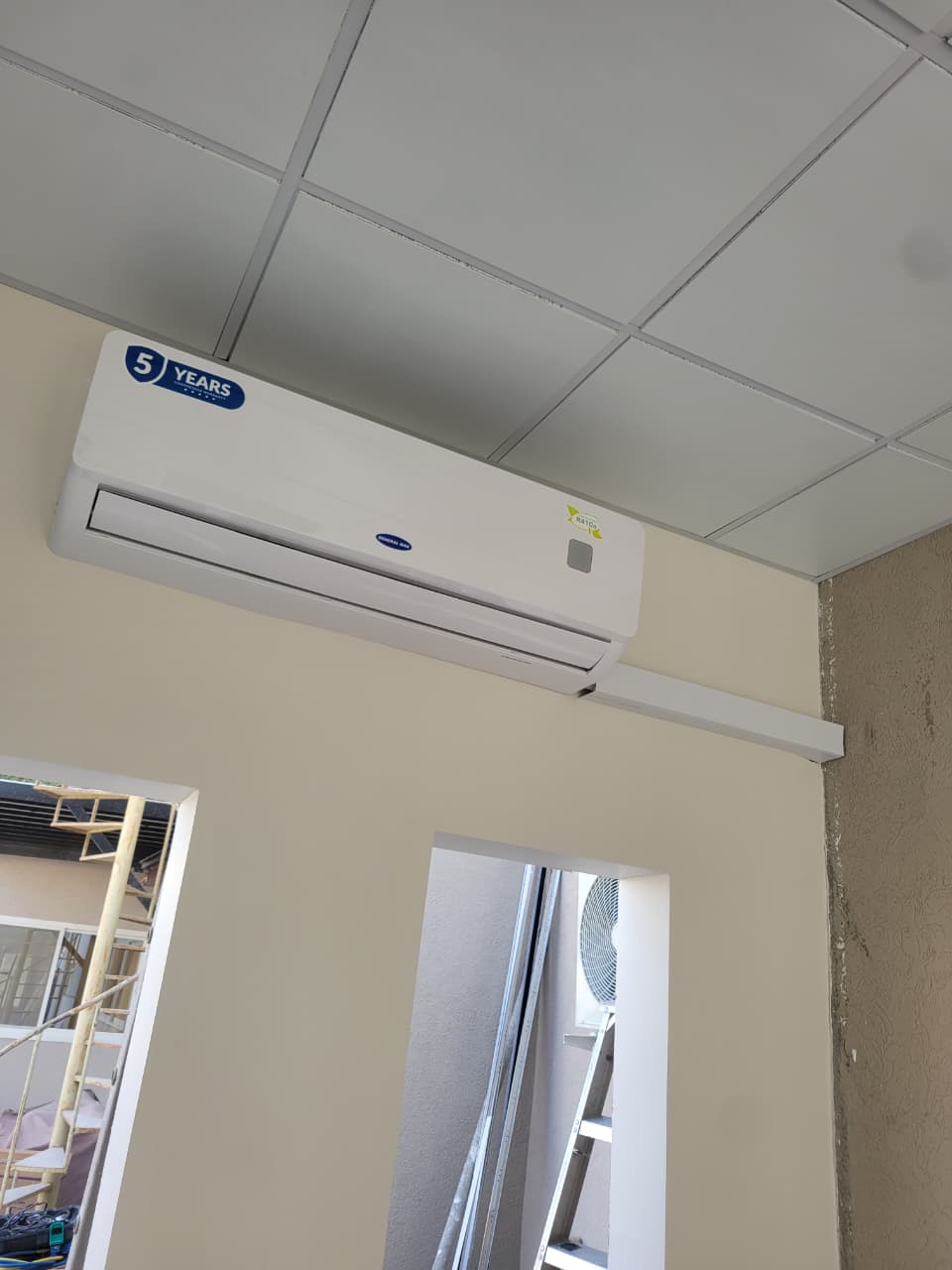
Confirm that the thermostat is set to cooling mode and that the target temperature is below the current room temperature. Fan-only mode circulates air without asking the cooling system to operate.
If the display is blank, readings are inconsistent or the system does not respond to changes, the thermostat, sensor, control wiring or building control system may need inspection.
3. Dirty indoor coil or blower components
Dust can pass beyond the filter and collect on the coil or blower. That build-up reduces heat transfer and airflow. A basic filter wash cannot reach every internal surface, so persistent restriction may need a defined cleaning scope.
4. The outdoor unit cannot reject heat
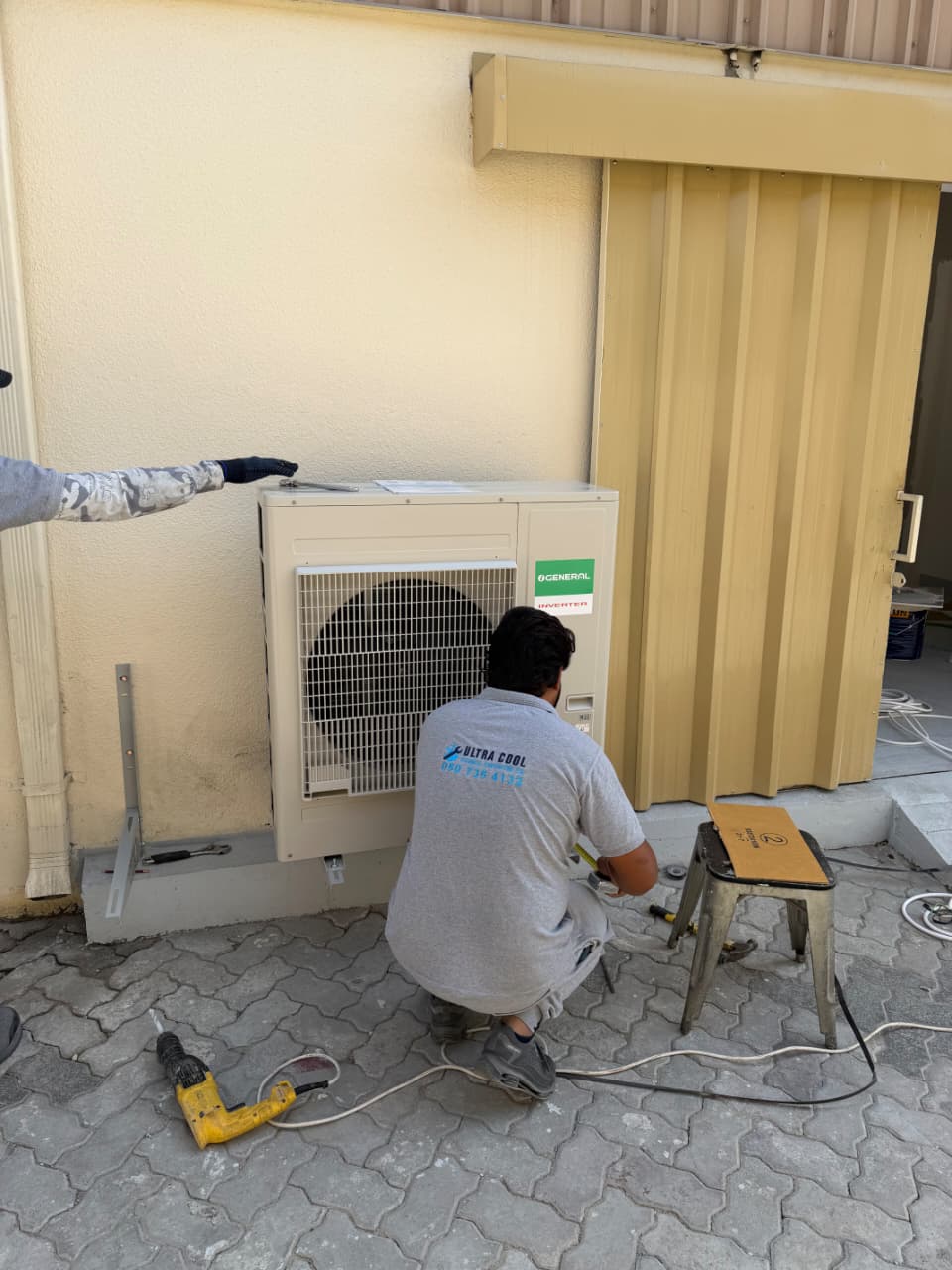
The outdoor section releases heat removed from the room. Restricted coil surfaces, blocked clearance, a failed fan or an electrical fault can prevent that process. During hotter hours, the loss of performance may become more obvious.
Do not open electrical covers or reach into a running outdoor unit. Check only for obvious external obstruction from a safe position and leave component testing to a technician.
5. Refrigerant loss or circuit performance problems
Refrigerant is not a routine consumable that should disappear from a sealed system. If the charge is low, a leak or previous service issue may be involved. Simply adding refrigerant without investigating the reason can allow the same problem to return.
Leave refrigerant handling, pressure testing and electrical diagnosis to appropriately qualified technicians. These checks require suitable equipment and safe working conditions; they are not DIY troubleshooting steps.
6. Frozen coil, drainage or airflow symptoms
Ice on a coil or pipe is a symptom rather than a complete diagnosis. It can follow restricted airflow, control problems or refrigeration issues. Melting ice may later appear as unexpected water leakage.
7. Capacity, duct and building-side issues
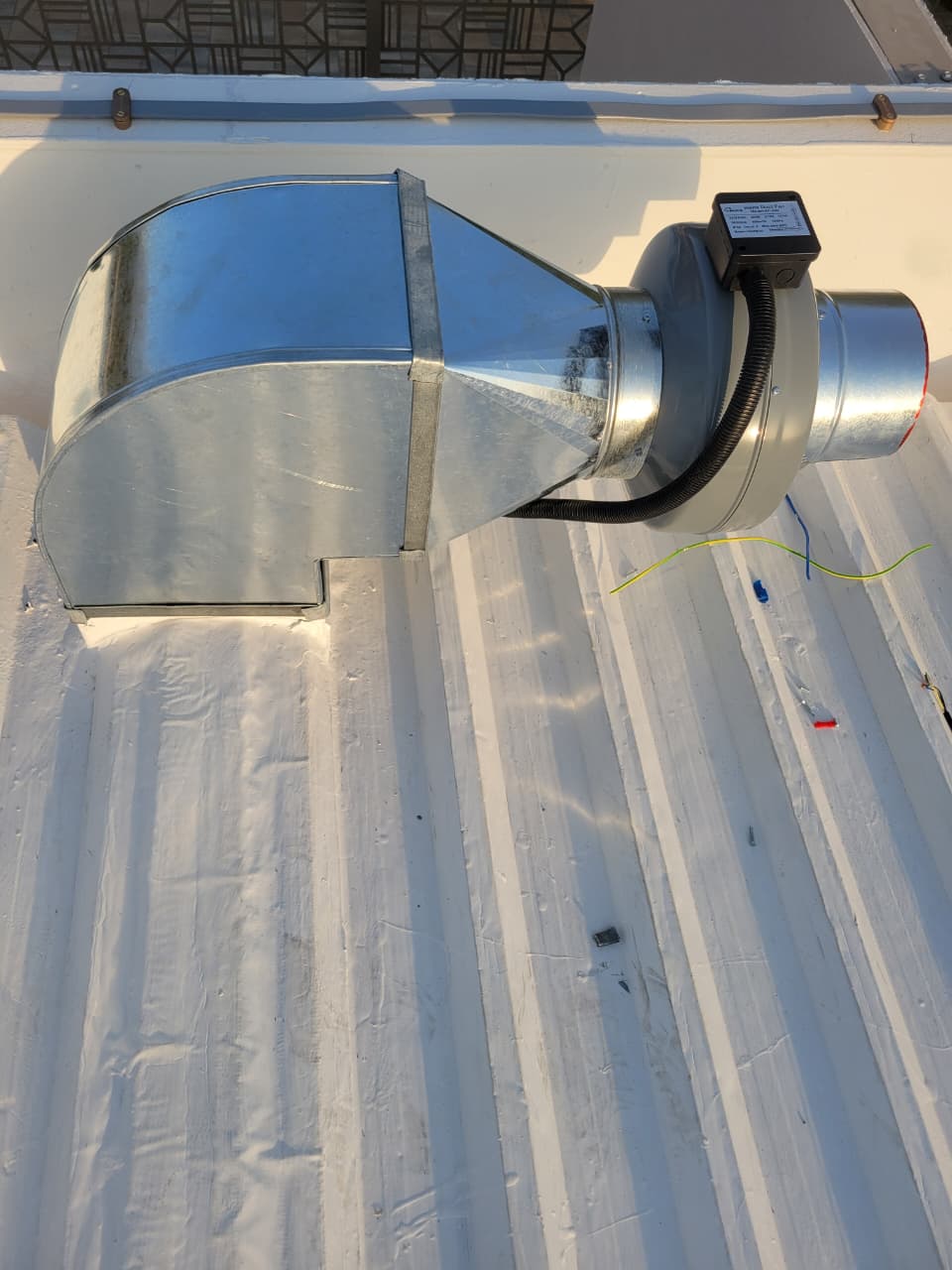
An undersized unit, leaking or poorly insulated ducts, and excessive heat entering through glass or open doors can all make a working AC appear ineffective. With ducted AC systems, a closed damper or disconnected section may affect only certain rooms.
Do not respond to an uncomfortable room by ordering a larger AC without an assessment. Describe changed partitions, added equipment or rooms that never cooled properly. For shared cooling, ask the building team to identify their maintenance responsibility before authorising work on communal systems.
Details worth sharing with the technician
- Whether the problem affects one room or all cooled rooms
- When the cooling changed and whether it is worse in the afternoon
- Any water, ice, noise, smell, error code or electrical tripping
- The system type and any recent cleaning, repair or renovation work
When should you switch the AC off?
Stop using the affected system if there is a burning smell, repeated electrical tripping, severe mechanical noise or water close to electrical equipment. Use only the normal controls if you can reach them safely. Keep away from wet switches and wiring; electrical and refrigerant checks belong with qualified technicians. If there is smoke or an immediate danger, leave the affected area and contact emergency services rather than waiting for a routine visit.
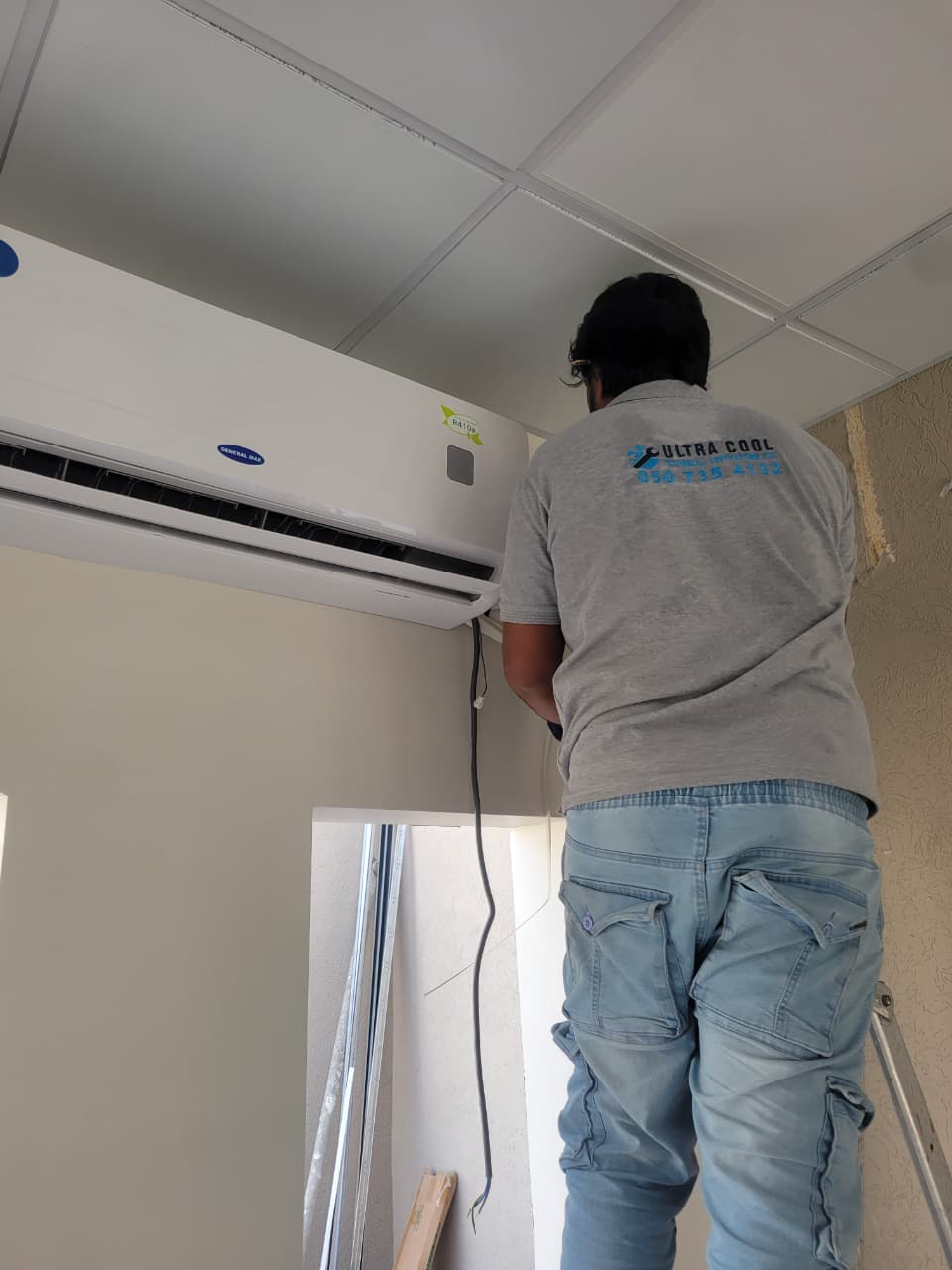
Before a repair visit, share your Dubai building or community, the affected units and when the symptom occurs. Mention contractor registration, permitted working hours, ceiling access and any roof or service-area restrictions. A safe photograph and an error code help; removing a cover to obtain them does not.
Record the cooling pattern and use only safe, normal user controls. Warm air is not proof of low refrigerant, and weak airflow is not proof that cleaning alone will fix it. An inspection should connect the proposed work to the actual fault.
Related services and guides
Tell Ultra Cool Technical Contracting FZE which rooms are affected, when cooling changed and your Dubai location. Do not open equipment or handle refrigerant while waiting for an inspection.
Frequently asked questions
Higher daytime heat load can expose restricted airflow, outdoor-unit problems, poor insulation or insufficient capacity. The system should be assessed while the symptom is present where possible.
Cleaning helps when dirt is restricting airflow or heat transfer. It will not correct every electrical, control, refrigerant, duct or capacity issue.
A sealed system should not need automatic annual topping up. Low refrigerant should prompt a review of leakage and system condition.
Note whether it has its own AC unit or shares a ducted system, then compare its airflow and operating pattern with the other rooms. Controls, airflow distribution and the room itself need assessment. The symptom alone does not establish which component needs repair.