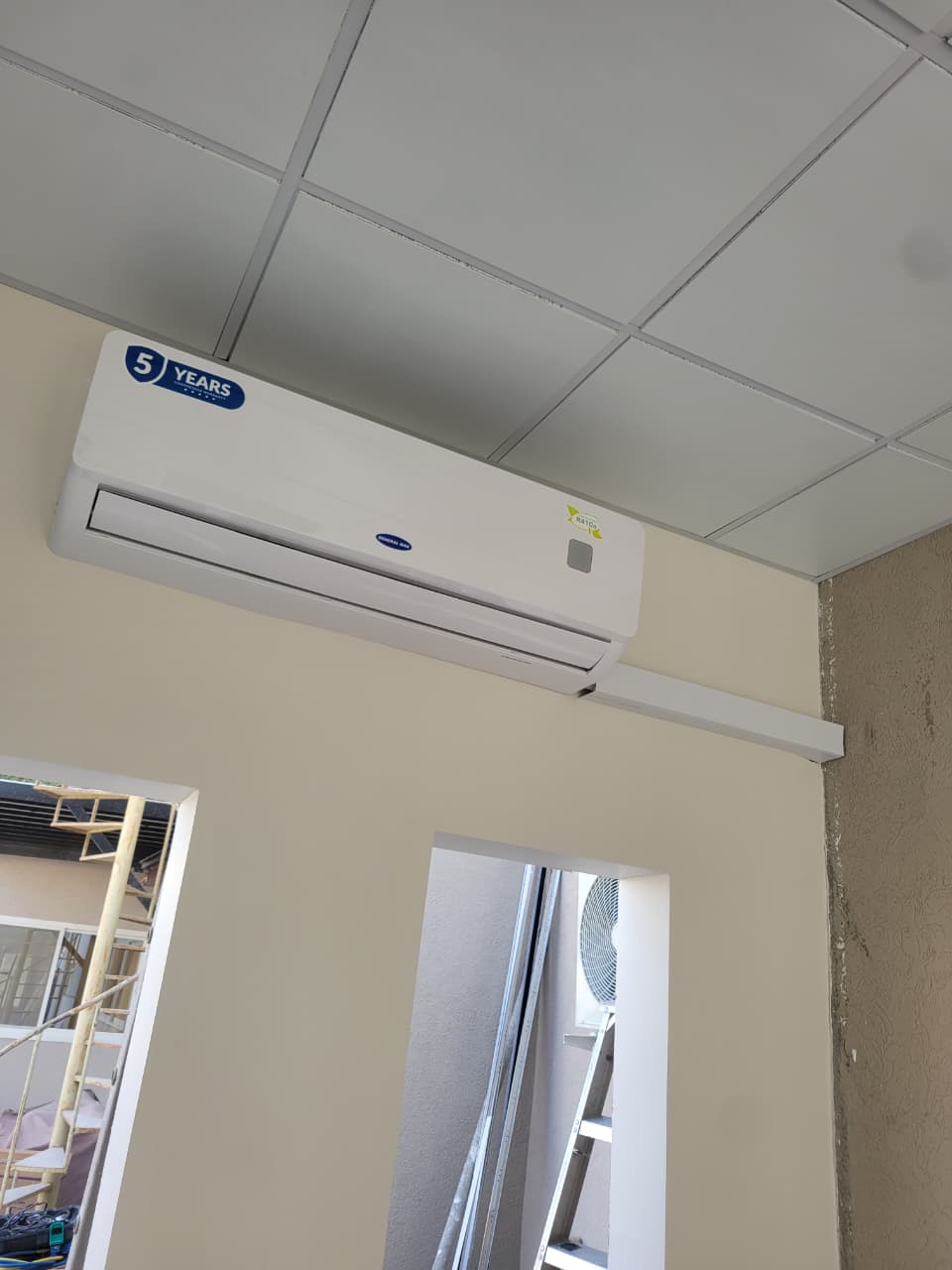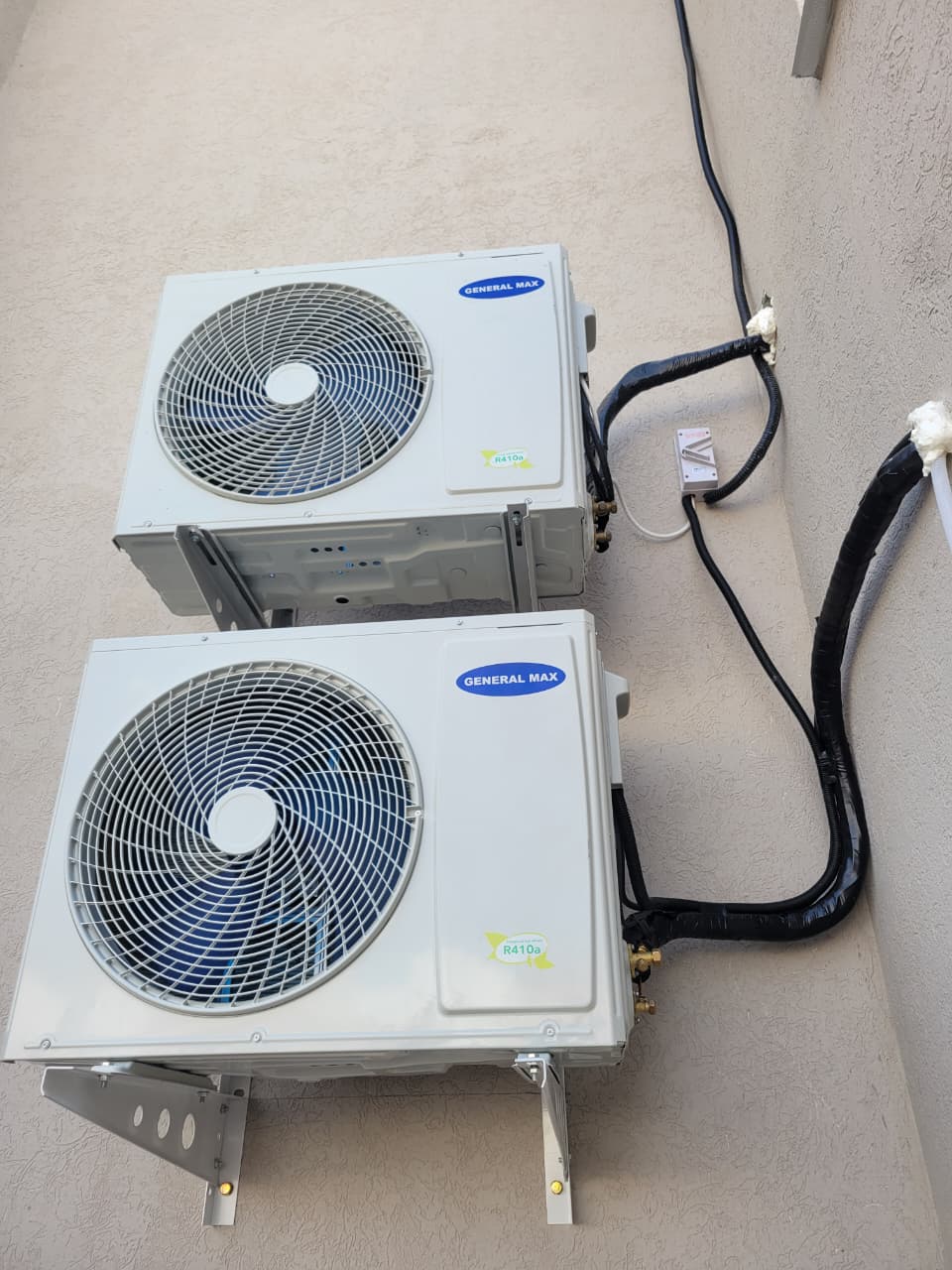
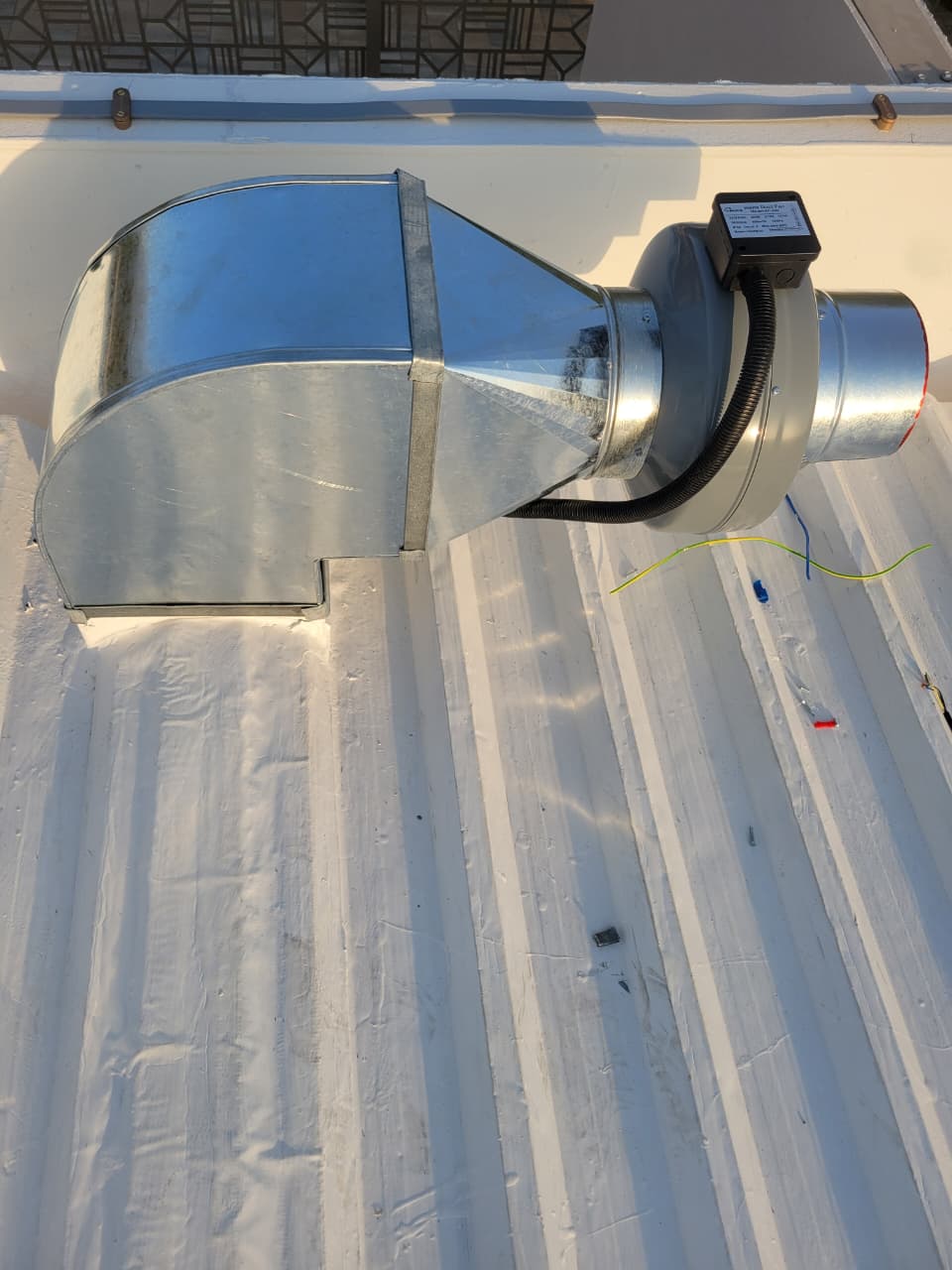
An AC can lower the room temperature without adequately controlling moisture. Possible contributors include short operating cycles, humid air entering the cooled space, indoor moisture sources or a system issue. Record both temperature and humidity, then investigate the pattern instead of repeatedly lowering the thermostat.
The room feels cool when you walk in, yet bedding feels clammy or a cupboard smells damp. Turning the temperature down may leave you colder without explaining the moisture. This is a different complaint from an AC that simply blows warm air, and it needs a different set of observations.
For Dubai homes, particularly apartments where windows, balconies and building ventilation interact, start by asking where and when the discomfort occurs. One bedroom after a shower is not the same pattern as several rooms throughout the day. Useful notes help separate a local moisture issue from a wider cooling or building concern.
1. Measure the room, not just the thermostat setting
A thermostat set point is a request to the system; it is not a humidity reading. Use a separate room thermometer and hygrometer if available, positioned according to the device instructions and away from a direct cold-air stream. Record readings at comparable times over several days, alongside the settings and room use.
Dubai Municipality treats moisture, ventilation and AC operation as connected indoor-environment issues. Treat readings as evidence to discuss, not a diagnosis or a substitute for inspecting a damp patch. A single measurement taken beside an open balcony door may not represent the rest of the home.
Reference: Dubai Municipality: indoor air quality and moisture guidance
2. Look for a pattern of brief cooling cycles
Notice whether the system cools briefly and stops, or runs steadily while the room remains uncomfortable. Share the pattern with the technician, along with whether it began after installation, a control adjustment or a change to the room layout. Do not open the unit or adjust internal controls to test a theory.
Brief operating cycles are an observation to report, not proof that the system is too large. Ask a qualified AC technician to check the controls, equipment operation and cooling requirement before proposing a different unit. Do not alter wiring or refrigerant connections to investigate the pattern yourself.
3. Trace moisture sources and the building context
Make a simple room-by-room note of when windows and balcony doors are opened, where laundry dries and whether discomfort follows cooking or showering. Check visible door and window seals from indoors. Report a damaged seal or an extractor that no longer operates normally to the appropriate maintenance contact.
DEWA recommends keeping external doors and windows closed while the AC operates. This does not mean blocking designed ventilation openings: keep grilles clear and follow the building guidance. If the issue affects adjoining apartments or began after building work, include the facilities team in the investigation rather than treating the indoor AC as the only possible source.
Reference: DEWA: doors, windows and AC operation
4. Distinguish general humidity from a local water problem
A wet ceiling patch, droplets on an AC grille and a room that feels generally clammy are not interchangeable symptoms. Photograph the location and note whether moisture appears only during AC operation, after a shower or independently of either. Do not assume every damp area needs the same cleaning treatment.
Ask for drainage, visible insulation and relevant airflow checks where the symptoms justify them. A recurring odour should also be investigated rather than covered with a fragrance. If water reaches electrical fittings, stop using the affected system safely, keep clear of the wet area and seek appropriate help. Do not remove a wet ceiling panel yourself.
5. Avoid solving the wrong problem with a new purchase
Do not begin by buying a larger AC, adding refrigerant or arranging cleaning of the entire duct system. None of those choices is justified solely by a humid feeling. Ask what evidence connects the proposed work to the symptoms and how the result will be checked afterwards.
A dehumidifier may be useful in some circumstances, but it does not repair a leak or resolve an unsuitable ventilation arrangement. Before buying one, clarify the moisture source, the space it would serve and how collected water would be managed. Follow the equipment guidance for any dry-mode setting; availability and behaviour vary between systems.
6. Prepare a focused enquiry for the technician
For an AC inspection in Dubai, describe the discomfort in ordinary terms and provide observations rather than a guessed diagnosis. If your apartment uses building-supplied chilled water, mention that and share any advice already received from facilities management. This can help identify which parts of the complaint need site or building-side coordination.
Useful details to send with your enquiry
- The affected rooms and whether neighbouring spaces feel different
- Room temperature and humidity readings, if available
- Cooling mode, fan setting and any recent control changes
- When moisture, odour or condensation first appeared
- Photos of visible marks taken without opening equipment
- Any recent installation, renovation or building maintenance
Cool air and comfortable moisture levels are related but different. Measure the pattern, identify visible water concerns and match the investigation to the room and building before approving a remedy.
Related services and guides
Tell Ultra Cool Technical Contracting FZE where the damp feeling occurs, when it started and which Dubai building you are in. Include room readings or safe photographs if available.
Frequently asked questions
Temperature alone does not describe moisture conditions. Record humidity and operating patterns, and check whether there is a visible leak or a local moisture source that needs investigation.
Cleaning may help when identified build-up affects operation, but it is not a universal humidity fix. Equipment, controls, moisture sources and building conditions can require different work.
Not automatically. Outdoor conditions, building guidance and the indoor problem matter. Bringing humid outdoor air into a cooled room may not help; avoid treating ventilation as a one-size-fits-all remedy.
Check the installed unit instructions first; Dry mode is not available or controlled in the same way on every system. Record whether comfort and room readings change when using an approved setting. Persistent moisture, a leak or a recurring odour still needs investigation rather than repeated mode changes.